Crypto ATM scams cause $388 million losses in 2025
Crypto ATM scams resulted in over $388 million in losses in 2025, primarily impacting adults aged 50 and older, prompting new regulations.
 Dylan Foster 5 min read
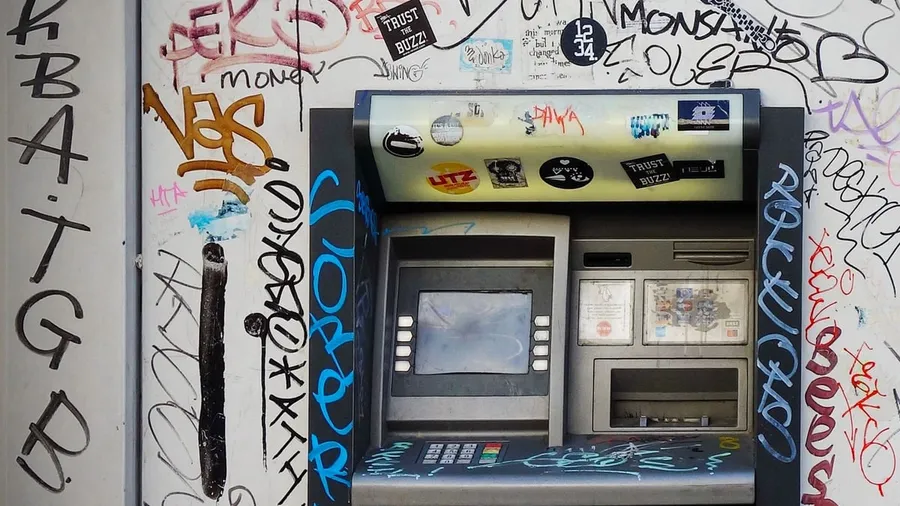
Cryptocurrency ATMs, kiosks that let someone convert cash into bitcoin or other tokens, were built as a convenience feature for crypto users without easy exchange access. In 2026, law enforcement across North America is treating them as something closer to a crime scene fixture, and the primary victims are older adults.
The scale of the losses
The FBI’s Internet Crime Complaint Center logged more than 13,400 reports tied to crypto ATM kiosks in 2025, with total reported losses surpassing $388 million. More than half of those losses involved individuals aged 50 and older, and industry commentary describes crypto ATM scams as taking billions from elderly Americans when losses are tracked across recent years rather than a single reporting period.
How the scam actually unfolds
What makes these scams effective is that the crypto ATM itself is rarely the starting point. Deception typically begins through a phone call, a fake banking notification, a romantic overture on a dating app or social platform, a fake software warning, or an enticing financial proposal, and by the time a victim actually reaches the crypto kiosk, scammers may have already spent weeks or months building fear, urgency or emotional trust. A common script has the scammer impersonate a bank official or government agent, telling the victim they must urgently deposit money into a cryptocurrency ATM or face an account freeze, an arrest, or another manufactured emergency.
Why it’s nearly impossible to reverse
Scammers favor crypto ATMs specifically because blockchain transfers are typically difficult or impossible to reverse once completed, unlike a bank wire that can sometimes be recalled or a credit card charge that can be disputed. Detectives in jurisdictions actively investigating these cases, including New Hampshire, report they have never been successful in recovering money lost in a cryptocurrency ATM scam once funds have moved.
Why crypto ATMs specifically, rather than a wire transfer
Scammers have a specific reason for steering victims toward a crypto kiosk rather than a conventional bank wire, and it comes down to which financial rails still have a human in the loop. A wire transfer at a bank branch involves a teller who has been trained to ask questions about large, unusual transfers, and many banks have added friction, delays, mandatory holds, verification calls, specifically in response to elder fraud patterns. A crypto ATM, by contrast, is typically an unattended kiosk: the victim inserts cash, scans a QR code the scammer has provided, and the machine converts that cash into cryptocurrency sent directly to an address the scammer controls, often with no staff present to intervene and no cooling-off period built into the transaction. The technology that makes crypto ATMs convenient for legitimate users, speed, minimal friction, no intermediary approval, is the same technology that makes them attractive to fraudsters running a script against a victim who is, at that moment, following urgent instructions from someone posing as an authority figure.
Why older adults are disproportionately targeted
Law enforcement and fraud researchers point to several overlapping reasons this fraud pattern concentrates so heavily among people 50 and older. Older adults are more likely to have accumulated savings that make a large single transfer possible in the first place, unlike younger victims who may simply not have the funds a scammer is asking for. Scam scripts built around authority, an impersonated government agency, bank security department, or law enforcement officer, tend to be more effective against a generation that grew up trusting those kinds of institutional phone calls at face value, before caller ID spoofing and impersonation scams became widespread public knowledge. And because many of these scams unfold gradually, over days or weeks of relationship-building before the financial ask arrives, isolated seniors without a family member checking in regularly are less likely to have anyone available to notice the warning signs before money moves.
Government response
The scale of losses has prompted a wave of legislative and regulatory action in 2026. New Hampshire is adding new protections to crypto ATMs in the state specifically to address scams targeting older adults. Arizona’s Attorney General issued a cryptocurrency ATM scam alert and launched a dedicated fraud complaint form. In Congress, Representatives introduced a bill aimed specifically at protecting seniors from crypto ATM scams, building on earlier Senate efforts including the Crypto ATM Fraud Prevention Act.
The legislative pattern behind these responses
The wave of state and federal action described above follows a pattern common to how fraud legislation typically develops: a specific, quantifiable harm, in this case the FBI’s own $388 million figure, gives lawmakers a concrete number to point to, which tends to move a proposal from a general concern into an actual bill with a defined target. Measures aimed specifically at crypto ATMs have tended to focus on a handful of concrete interventions where the technology allows for them, such as requiring operators to post visible fraud warnings at the kiosk itself, imposing transaction limits or mandatory delays on first-time or unusually large transactions, and requiring crypto ATM operators to register and report suspicious activity in ways that mirror obligations already placed on other money service businesses. None of those measures can fully close the gap created by an unattended machine with no human oversight, but they are the closest analogue regulators have to the frictions banks have already added to wire transfers in response to the same underlying fraud pattern.
What to watch for
Police departments running public-awareness campaigns are urging families to have direct conversations with older relatives about these scams before they happen, since the psychological pressure applied in the moment makes it hard for a victim to recognize the scam mid-transaction. The clearest single warning sign cited by law enforcement: no legitimate government agency, bank, or technology company will ever demand payment via a Bitcoin ATM or a QR code, under any circumstances, including a claimed emergency.
What it means for Canadian families
Crypto ATM kiosks operate in Canada as well as the US, and the same fraud patterns, urgency-based phone or online contact followed by a direction to a specific kiosk, apply regardless of which side of the border a victim is on. Anyone contacted unexpectedly and told to use a cryptocurrency ATM to resolve a supposed emergency, whether a claimed bank problem, a tech support issue, or a legal threat, should treat that instruction itself as the clearest sign of a scam in progress. Family members who notice an older relative researching crypto ATM locations, or who spot repeated cash withdrawals with no clear explanation, should treat those as warning signs worth a direct conversation, not an awkward topic to avoid.