How to buy crypto safely in Canada: A practical guide
Buying crypto safely in Canada involves verifying platform registration, understanding custody, and knowing tax implications. Here's what to consider.
 Jordan Fraser 4 min read
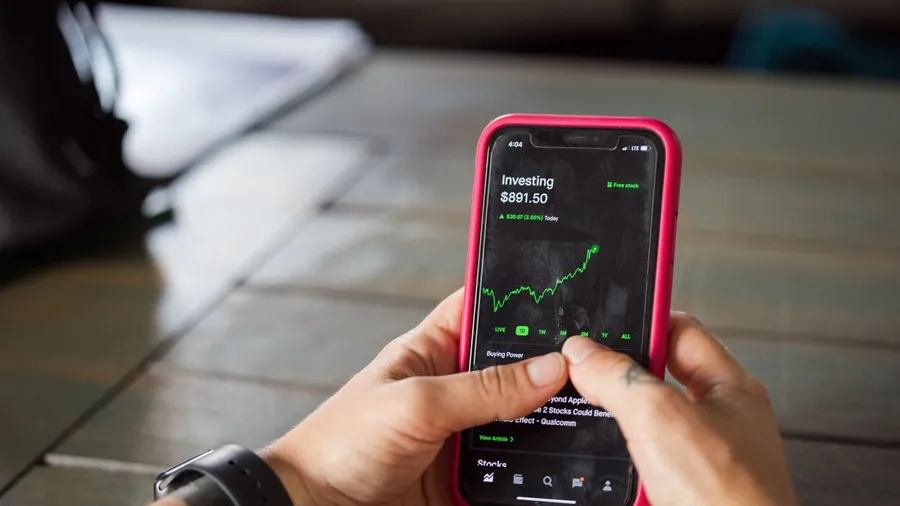
Buying crypto in Canada is, mechanically, simple: pick a platform, verify identity, fund an account, place an order. The part that actually matters happens before that, in deciding which platform to trust and understanding what happens to a purchase after it clears — the focus of our Canadian crypto coverage.
Start with registration, not with the interface
Since 2021, the Canadian Securities Administrators (CSA) and the Canadian Investment Regulatory Organization (CIRO) have treated crypto trading platforms operating in Canada as securities dealers, requiring them to register provincially, usually as restricted dealers, and to sign undertakings covering custody of client assets, leverage limits and which tokens they can list. A platform’s registration can be checked directly through the CSA’s National Registration Search rather than taken on faith from a logo or a claim on the platform’s own marketing page. An unregistered platform accepting Canadian customers is operating outside that oversight, which matters most exactly when something goes wrong, such as an insolvency or a frozen withdrawal.
Registration status is checkable, but it isn’t the only thing worth checking before choosing a platform. Look at how long the platform has operated in Canada, whether it discloses which provincial regulator serves as its principal overseer, and how it describes its custody arrangements for client assets, since a platform that is vague about where and how client crypto is actually held is giving less information than a registered competitor typically volunteers.
Funding and buying
Registered Canadian platforms typically accept Interac e-Transfer, EFT bank transfers and, on some platforms, wire transfers; credit card purchases are less common and usually carry a higher fee. A market order buys at the current price immediately; a limit order only executes at a chosen price or better. For a first purchase, a market order on a small, fixed amount is the simplest way to confirm the whole pipeline, deposit, buy, and see the asset reflected in the account, before committing more.
Market orders versus limit orders, and why it matters for a first purchase
The choice between order types isn’t just a technical preference. A market order fills immediately at whatever price is currently available, which is fine for a liquid asset like bitcoin or ether on a reasonably sized platform, but can produce a worse fill than expected on a thinly traded token during a volatile moment, because the order works through the available order book until it’s filled, not at a single guaranteed price. A limit order sets a maximum price for a buy or a minimum price for a sell and only executes if the market reaches it, which trades certainty of execution for certainty of price. For a first purchase of a major asset, the difference is usually small enough not to matter much; for anyone buying a smaller-cap token, or buying during a period of unusually high volatility, understanding which order type is being placed is worth the extra thirty seconds it takes to check.
Where the coins actually sit
Buying on an exchange leaves the asset in the exchange’s custody, not the buyer’s own wallet, unless it is withdrawn. That distinction is the entire subject of the custodial-versus-non-custodial question: a platform holding the private keys can, in principle, restrict withdrawals, and its insolvency puts customer holdings through a creditor process rather than a guaranteed return of assets. For an amount someone isn’t planning to trade actively, withdrawing to a personal wallet removes that dependency; for smaller, active balances, many Canadians simply leave funds on a registered platform and accept the trade-off in exchange for convenience.
The tax question nobody enjoys
The Canada Revenue Agency treats cryptocurrency as a commodity, not currency, for tax purposes. Buying crypto with Canadian dollars and holding it is not itself a taxable event. Disposing of it, selling for cash, spending it, or trading it for a different cryptocurrency, is a disposition and can trigger a capital gain or loss, or business income if the activity amounts to trading as a business rather than investing. The CRA expects records of the date, value in Canadian dollars, and purpose of every transaction, which is far easier to keep from the first purchase than to reconstruct later.
Two-factor authentication and account security
Registration and custody arrangements address the platform’s side of the risk equation; account security addresses the buyer’s own side, and it’s just as often where things go wrong. Enabling two-factor authentication through an authenticator app rather than SMS text messages closes off SIM-swapping, a technique where a fraudster convinces a mobile carrier to transfer a victim’s phone number to a new device, then uses SMS-based codes to reset account access. Using a unique password for a crypto platform, rather than reusing one from another site, matters more here than on most accounts, because a leaked password from an unrelated breach is exactly the kind of credential that gets tested automatically against exchange logins by automated tools. None of this is unique to crypto, but the consequences of a compromised account are less recoverable than on a typical retail account, since a completed crypto withdrawal generally cannot be reversed or clawed back the way a fraudulent card charge sometimes can.
A short checklist before the first buy
Confirm the platform’s registration on the CSA’s National Registration Search. Read its fee schedule for both trading and withdrawal fees, which vary more between platforms than the headline trading fee suggests. Decide, before buying, whether the plan is to hold on the platform or move funds to a personal wallet, since that decision shapes which wallet type is worth setting up first. Turn on authenticator-app-based two-factor authentication before funding the account, not after. And keep a simple record of every transaction from day one, since reconstructing it later at tax time is far harder than logging it as it happens.