Ripple CEO comments after failed CLARITY Act vote
Ripple's Garlinghouse responds to the failed US CLARITY Act vote, stating XRP's legal standing remains intact and reaffirming Ripple's resilience.
 Ryan Mitchell 2 min read
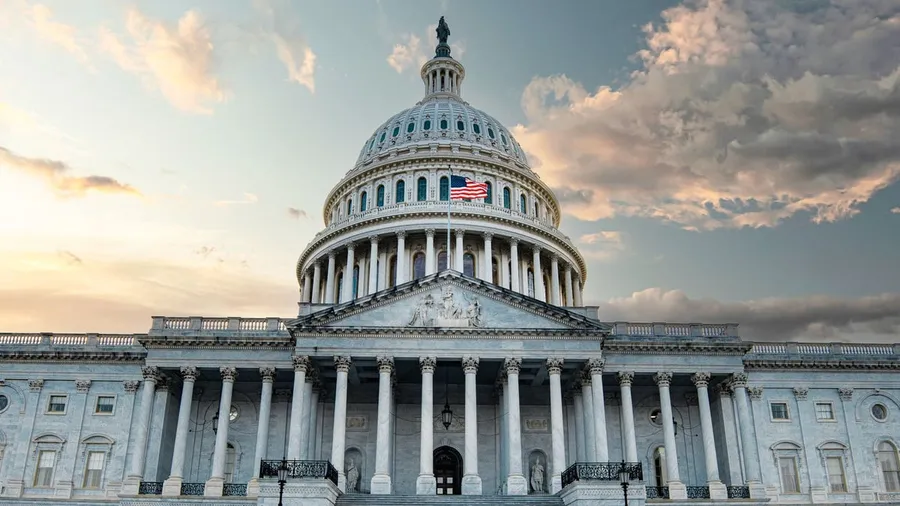
Failed legislation highlights regulatory uncertainty
The recent vote concerning the Digital Asset Market CLARITY Act in the US Senate did not pass, failing to garner the required 60 votes to advance. This legislation aimed to provide a structured regulatory framework for digital assets and clarify the authority of agencies, including the Securities and Exchange Commission (SEC) and the Commodity Futures Trading Commission (CFTC). Its failure signals continued uncertainty in the regulatory landscape for cryptocurrencies in the United States.
Ripple’s position remains strong
In the aftermath of the vote, Ripple CEO Brad Garlinghouse expressed that the setback is disappointing but not detrimental to the company. Writing on X, Garlinghouse indicated that their collective effort to advocate for the CLARITY Act transcended Ripple itself, suggesting a broader interest in establishing a favourable environment for digital finance innovation. He stated, “Our business has never been stronger,” citing ongoing demand from traditional finance and digital assets alike.
XRP’s status as a digital commodity
Ripple’s Chief Legal Officer, Stuart Alderoty, reaffirmed that both Ripple and XRP stand on solid legal ground following a 2023 federal court ruling which classified XRP as a digital commodity, not a security. Alderoty highlighted this ruling alongside a joint interpretation by the SEC and CFTC from March, which further clarified XRP’s classification.
Future of US crypto regulation remains uncertain
Despite Garlinghouse’s optimism, the failure of the CLARITY Act suggests that any comprehensive regulatory framework for cryptocurrency in the US may remain elusive. Garlinghouse mentioned a review of the failure would take place, positing that political priorities hindered effective policy solutions. He believes the SEC and CFTC will continue to develop rules in the absence of Congressional action, which indicates an evolving rather than stagnant regulatory environment.
Industry reactions reflect divided opinions
The crypto industry’s response to the failed vote was mixed. Some industry leaders echoed Garlinghouse’s concerns regarding the implications for both consumers and the broader market, while others remain optimistic about the future of regulation and its potential to evolve despite the current setbacks. As the market witnesses continual changes in regulatory approaches, the divergence in responses demonstrates the complexity and varying perspectives within the crypto community.
Implications for Canadian investors
For Canadian investors, this situation presents a crucial reminder of how regulatory developments in the US can affect the global crypto market. Regulatory bodies such as the Canadian Securities Administrators (CSA) and the Ontario Securities Commission (OSC) continually monitor international developments to inform their guidelines, which means Canadian investors should stay informed about both domestic regulations and significant international events to understand the potential impacts on their investments.
Broader trend of regulatory scrutiny
The recent events surrounding the Digital Asset Market CLARITY Act are part of a wider trend of increasing scrutiny on digital assets by governments worldwide. As countries grapple with how to effectively regulate the fast-evolving cryptocurrency sector, the impacts of such decisions resonate globally, eventually influencing how digital assets are treated in jurisdictions like Canada. Understanding these trends is key for investors aiming to navigate the complex landscape of cryptocurrency investments.